
ASKLEPIEION
By Slowtravelguide
THE ASKLEPIEION OF PERGAMON: MYSTIC & SACRED TREATMENT CENTER
The Asklepieion of Pergamon is an incredible place to visit, with a rich history and fascinating structures. Set against the backdrop of Pergamon’s Acropolis, the site features a sacred source that is still flowing, adding to the mystic aura of the place. It’s intriguing to learn that this was one of the essential healing centers in the ancient world, dedicated to the Greek God of Healing, Asklepios. A tour of this site surely provides a unique and unforgettable experience.

Part Of The Vaulted Sacred Way Coming From The Acropolis
THE HISTORY OF THE ASKLEPIEION
The Asklepieion of Pergamon is said to have been established in the middle of the fourth century BC, but archaeological discoveries date the cult to earlier periods. Nevertheless, the Sanctuary as it exists today was mostly constructed between 117 and 138 AD, under the reign of Emperor Hadrian. Situated just outside of Pergamon on a hill at the base of the Geyikli mountain, it is encircled by naturally occurring springs that are reputed to possess restorative properties.

Look At That Pavement Of The Via Tecta!

The Asklepieion Seen From Atop The Theater
There is a nicey myth associated with the Asklepieion of Pergamon. The story of Arkhias, a citizen of Pergamon, who was healed at the prestigious Asklepieion in Epidauros and then established the cult of Asklepios in his hometown out of gratitude, adds a touch of mysticism to the site. It’s fascinating to hear that the sanctuary had a solid reputation during the Roman era, with renowned doctors like Galen contributing to its healing methods. Myths and legends often add an extra layer of enchantment to historical sites, making them even more captivating to visit and explore.

View Of The North Portico At The Asklepieion At Pergamon

Part Of The Via Tecta Looking Towards The Acropolis
THE SANCTUARY OF ASKLEPIOS
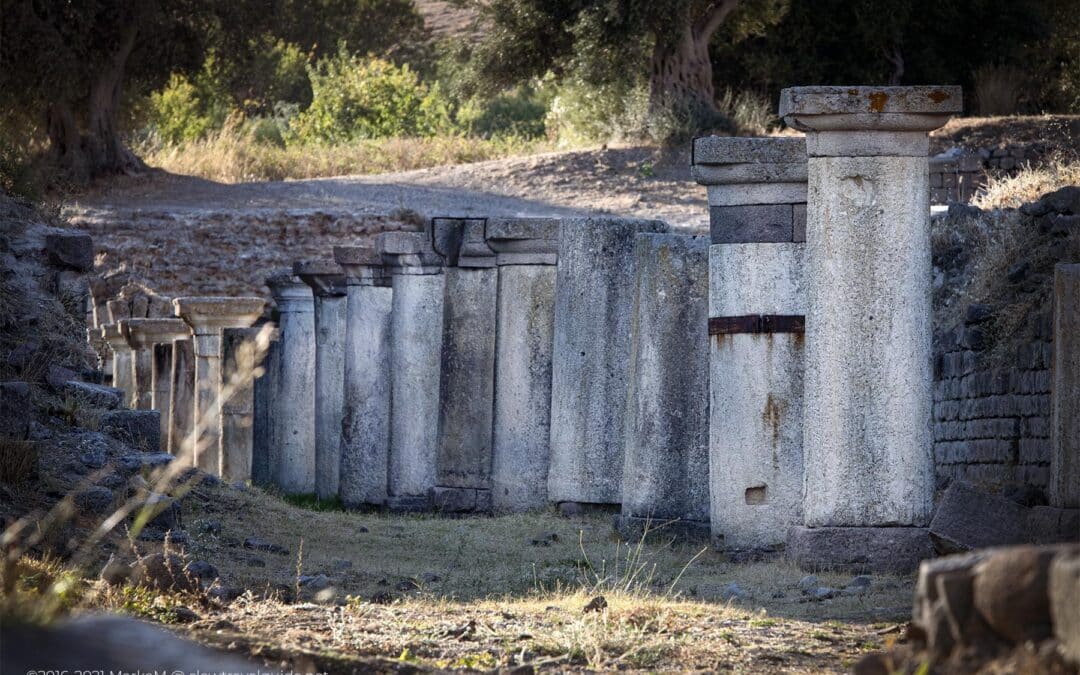
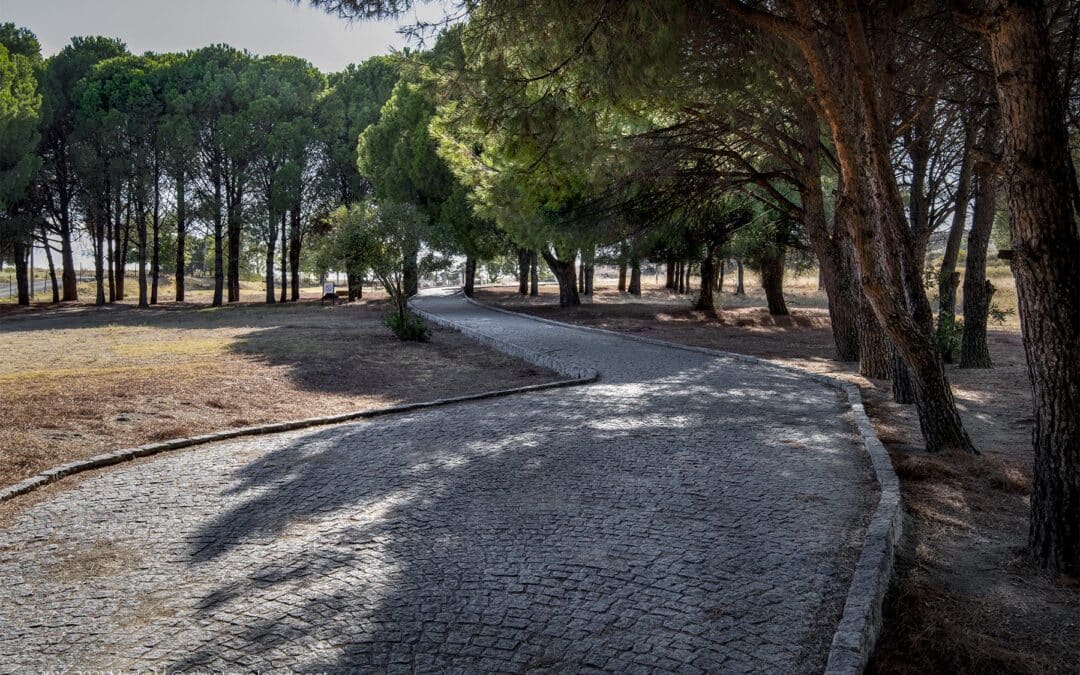
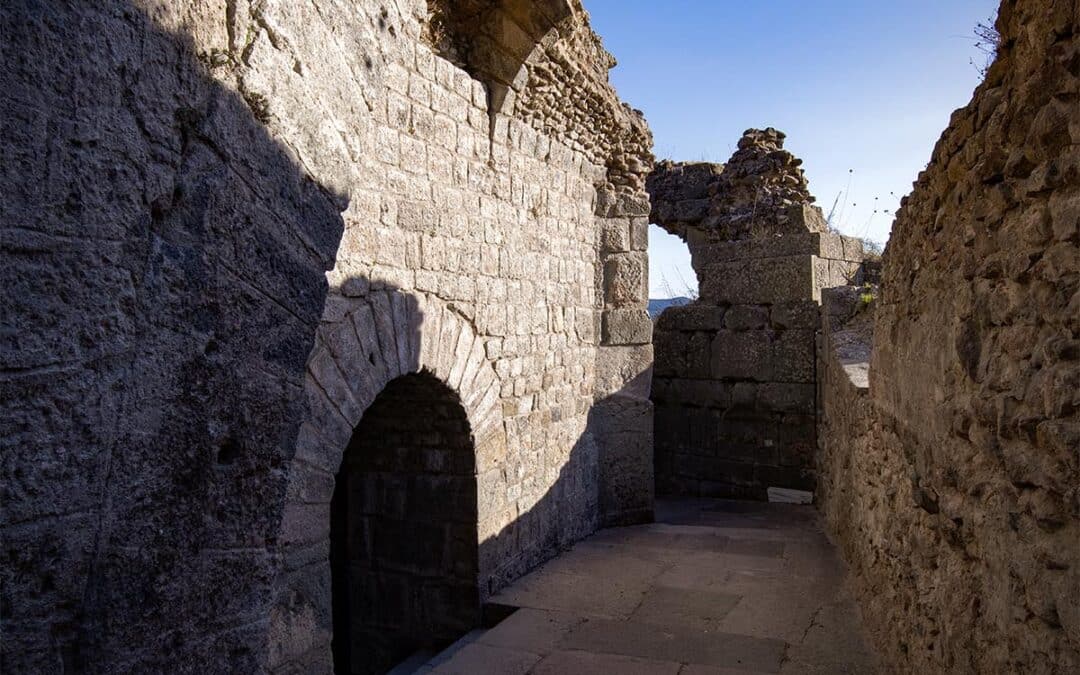
The Via Tecta was a sacred route that connected the Acropolis and the Asklepieion of Pergamon. The abandoned entrance by the city’s Roman amphitheatre marked the beginning of the vaulted route. The purpose of the gate was to let the patients to be examined by the priest doctors, also known as Asklepiades, prior to their entry into the Sanctuary. Patients who were dying or pregnant were not allowed entry. According to legend, the gate’s inscription said:
” DEATH IS FORBIDDEN TO ENTER THE ASKLEPIEION AS A TOKEN OF RESPECT TO THE GODS “
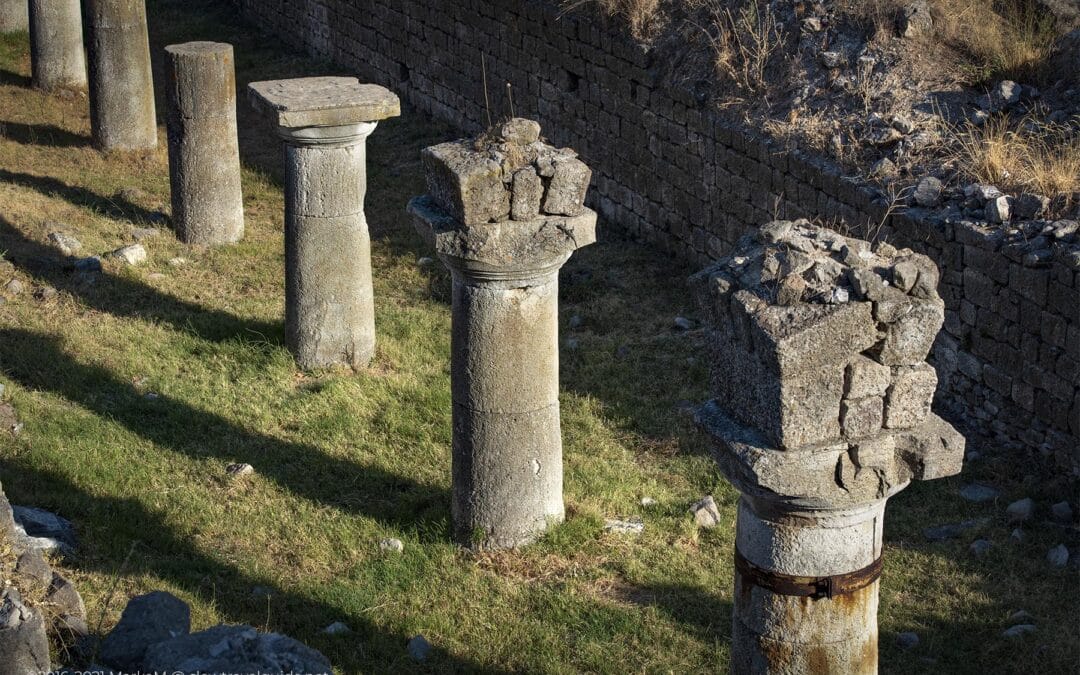
The sacred way extended all the way to the Asklepieion’s entry gate. The last section consisted of a collonaded walkway lined with stores offering healing aids and vows. Also visible here, south of the Via Tecta, is the massive burial, known as Heroon, belonging to an unidentified but most likely significant individual. The Heroon was written during the reign of Emperor Augustus. The hallowed path extended all the way to the Asklepieion’s entry gate.

The Heroon South Of Via Tecta
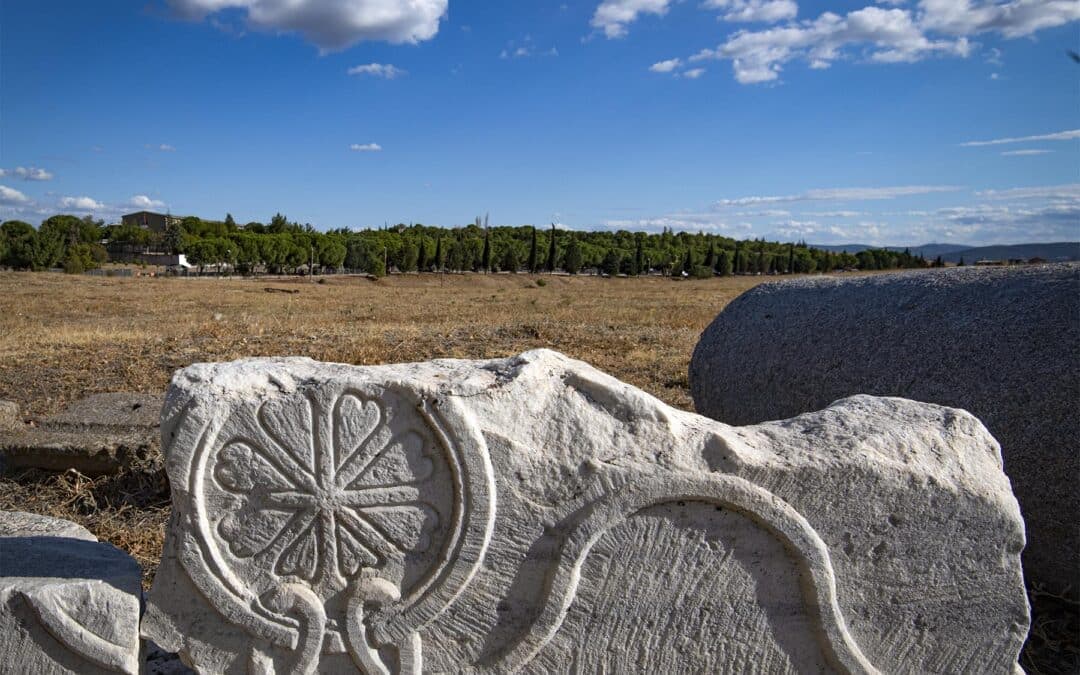
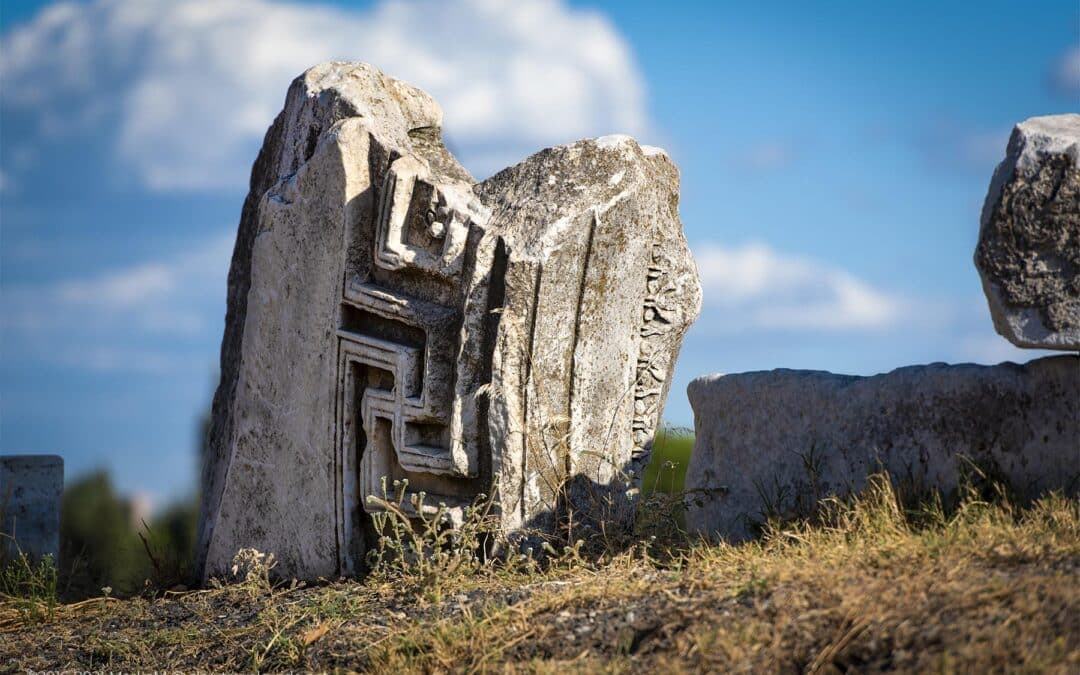

The Stunning Remains Of The Via Tecta
The last section consisted of a collonaded walkway lined with stores offering healing aids and vows. Also visible here, south of the Via Tecta, is the massive burial, known as Heroon, belonging to an unidentified but most likely significant individual. The Heroon was written during the reign of Emperor Augustus.

Propylon Courtyard With The Northern Portico And The Theater In The Background
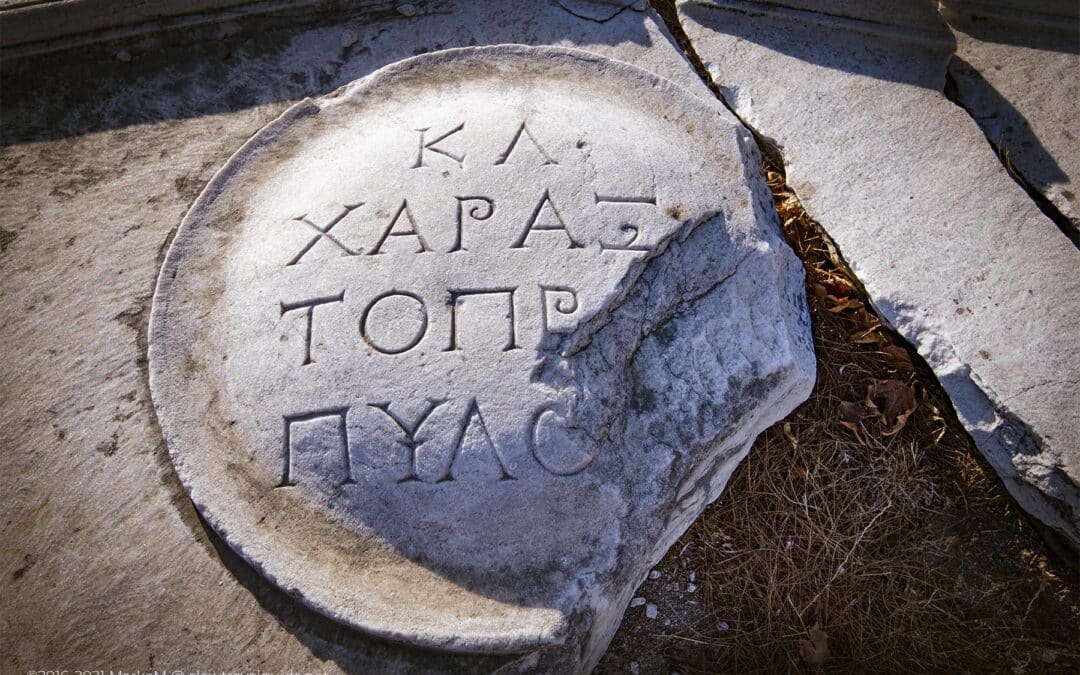
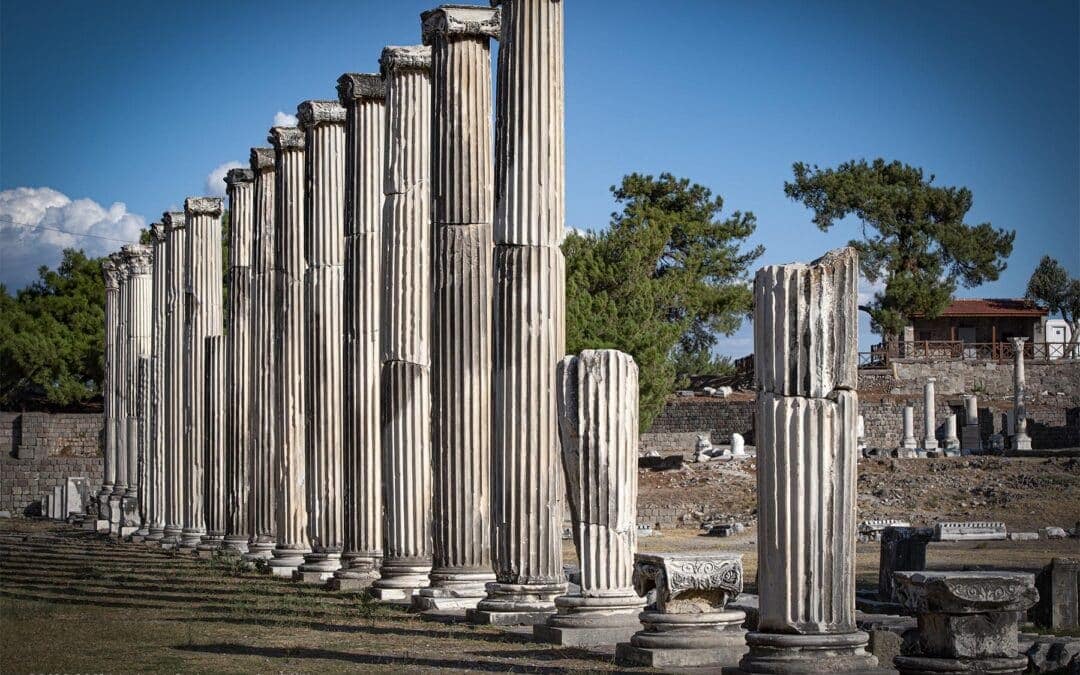
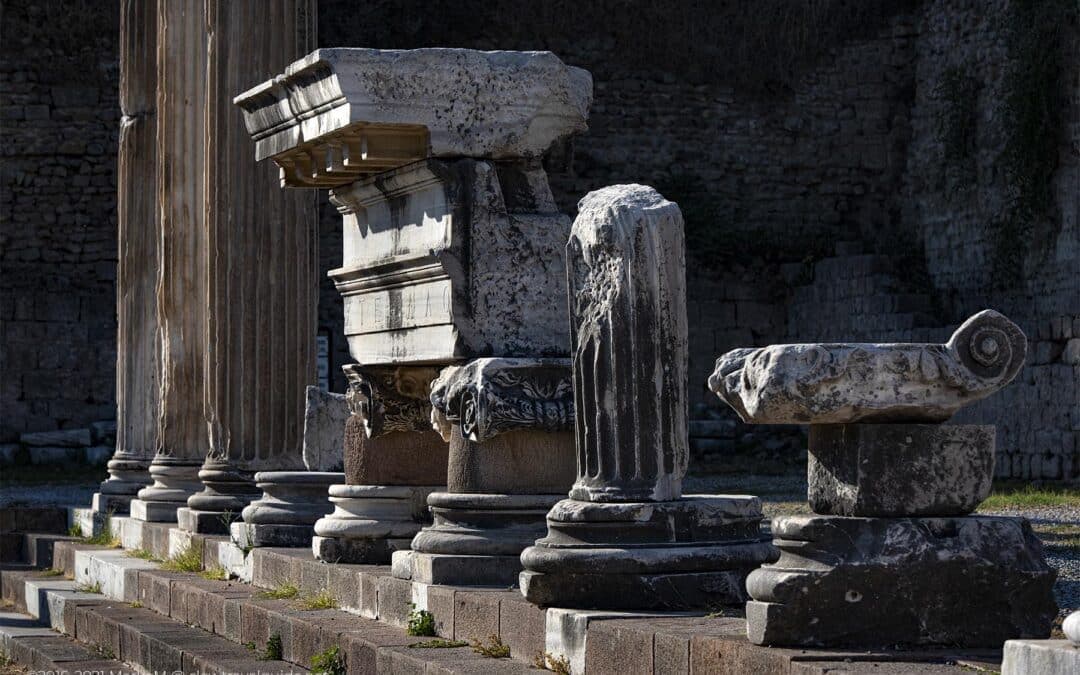
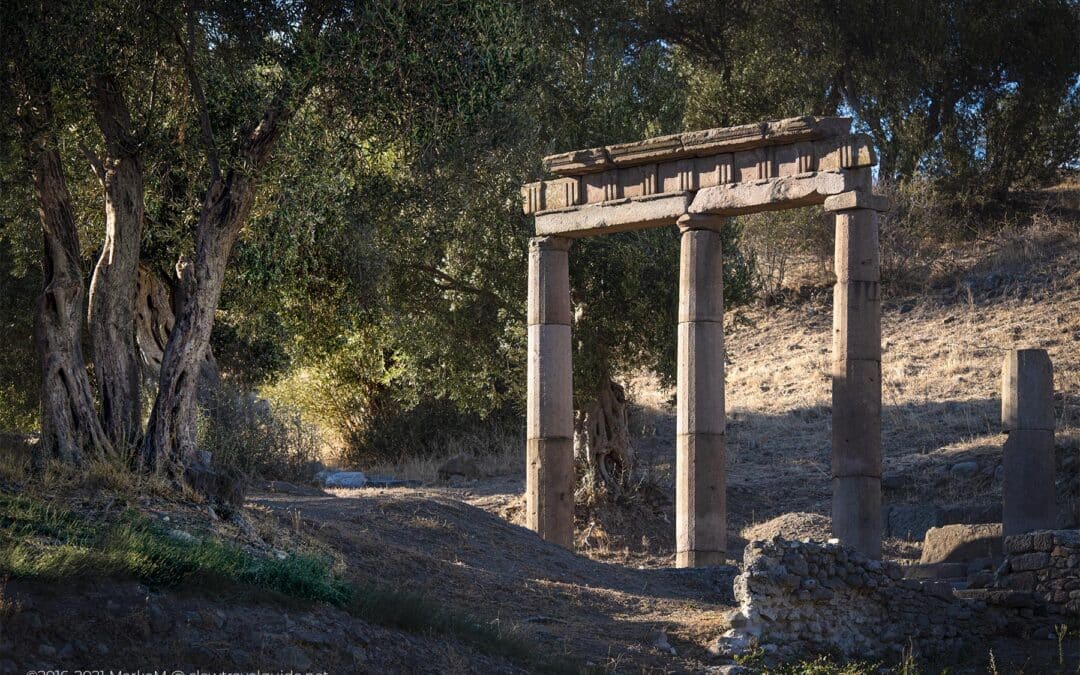
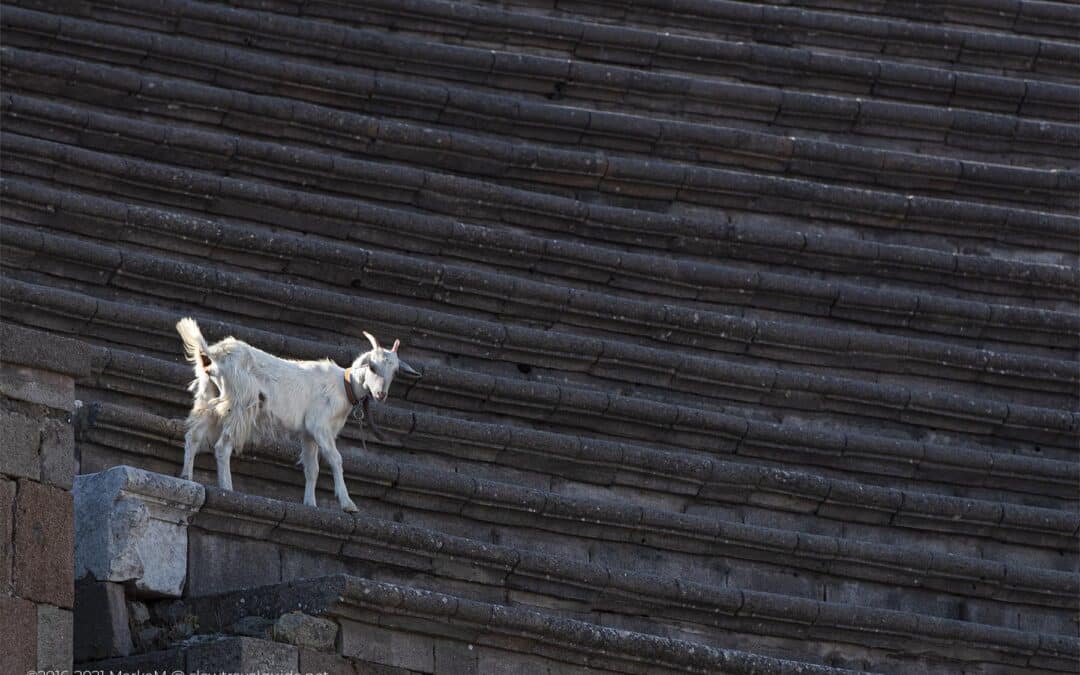
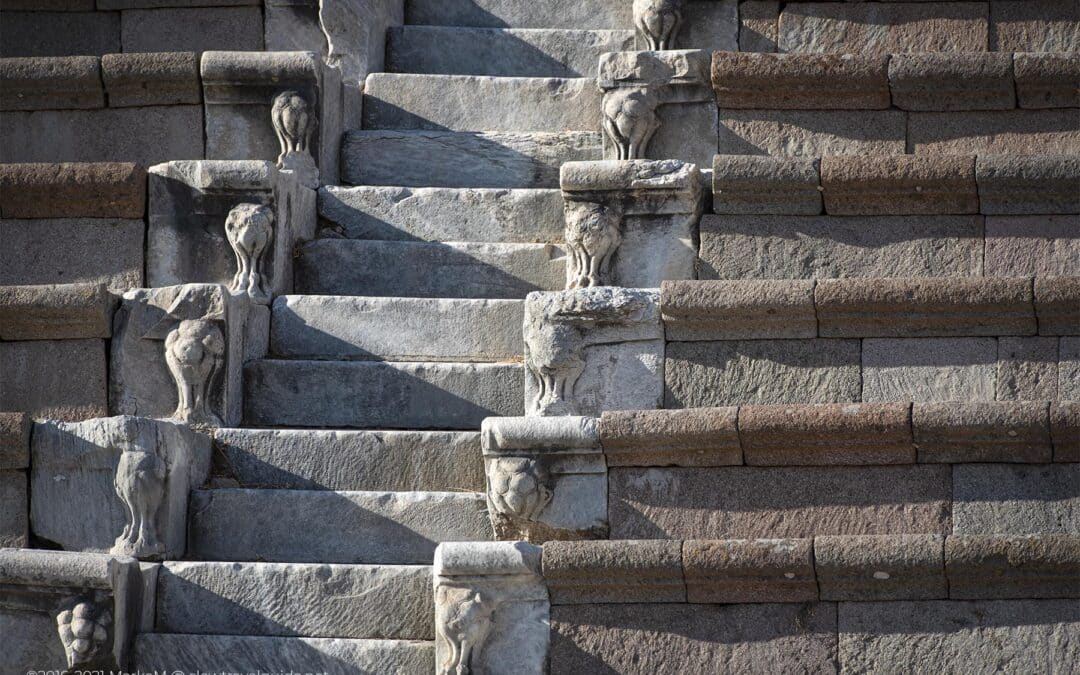
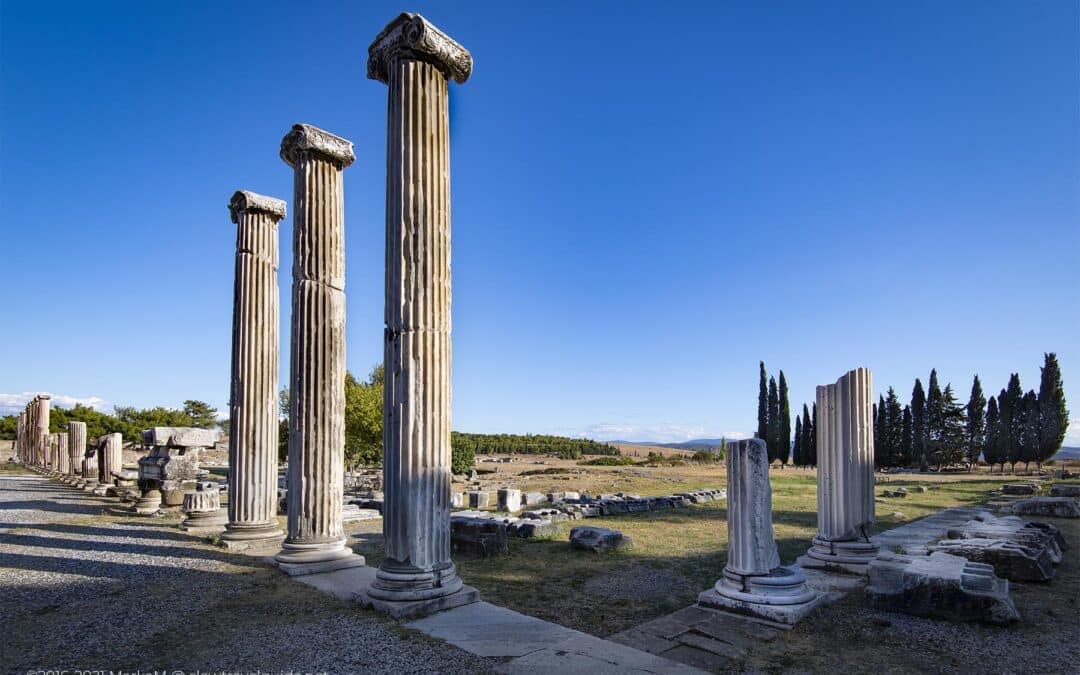
Via the northern Portico, you reach the semi-circular Theater with a capacity of 3.500 seats divided over two sections. The northern Portico is the best preserved of the remaining Porticoes at the Asklepieion. Some of its Ionic-style columns were re-erected during restoration works. During the reign of Eumenes II, in the 2nd century BC, another Portico was built in Doric style as part of a Gymnasium or a centre for pilgrims.

Northern Portico At The Asklepieion

Theater At Pergamon’s Asklepieion
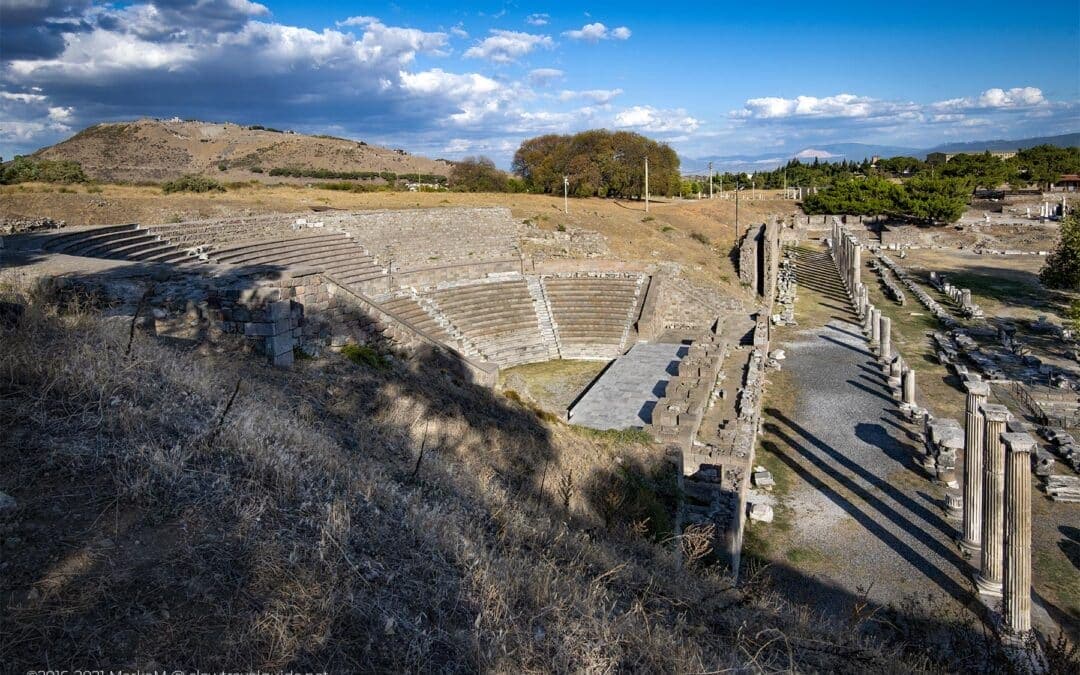
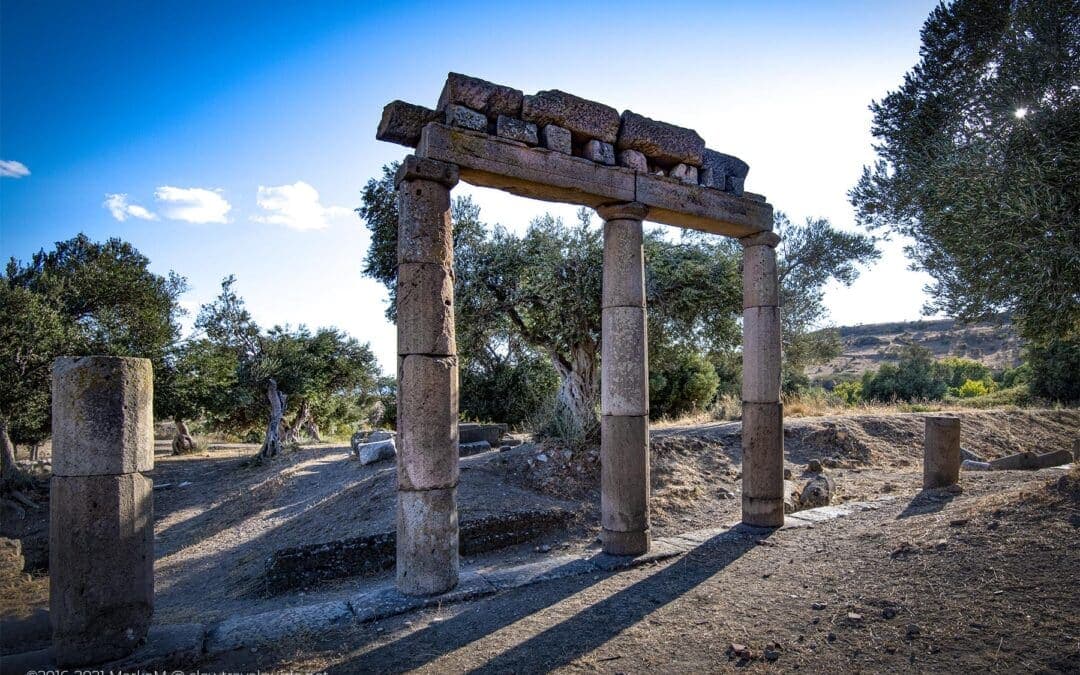

Hellenistic Portico With The Theater In The Background
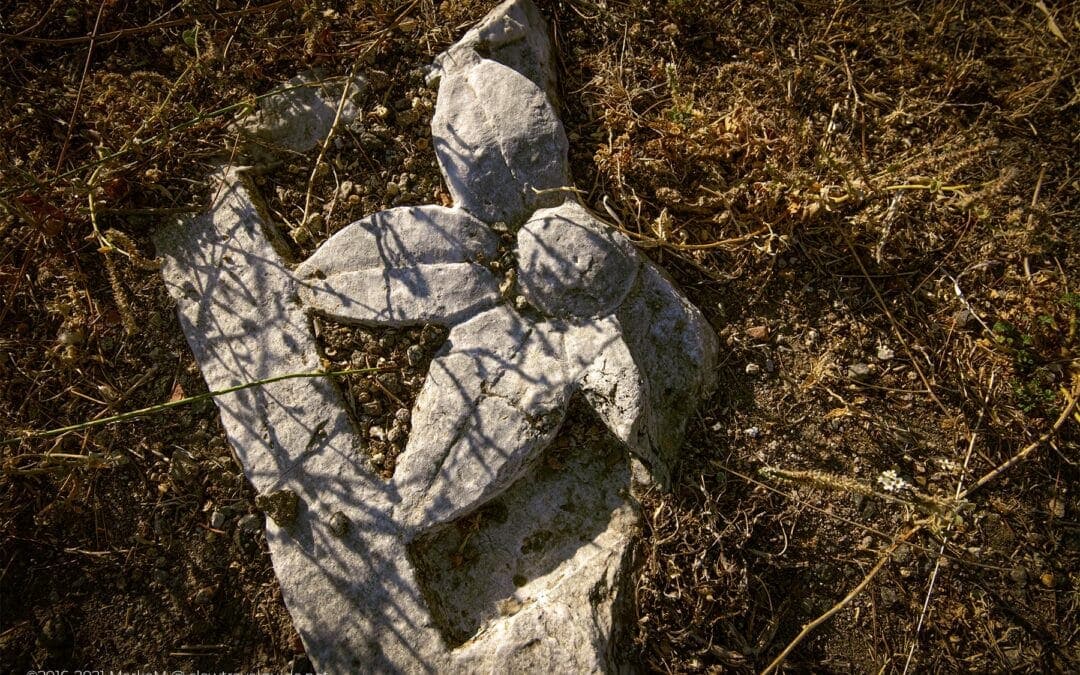
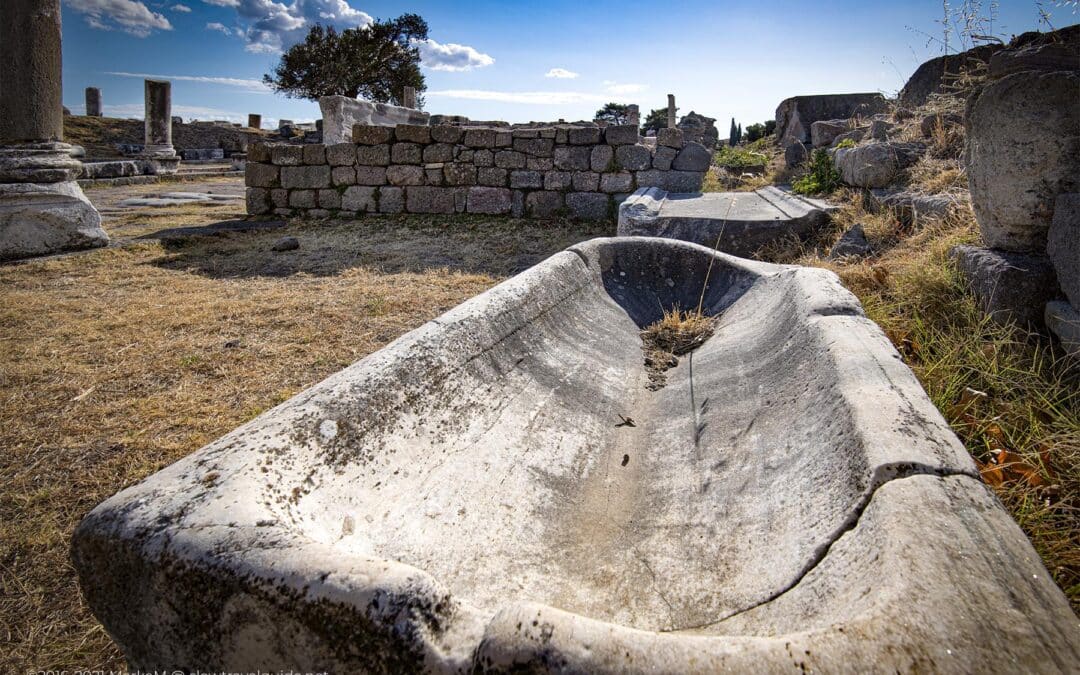
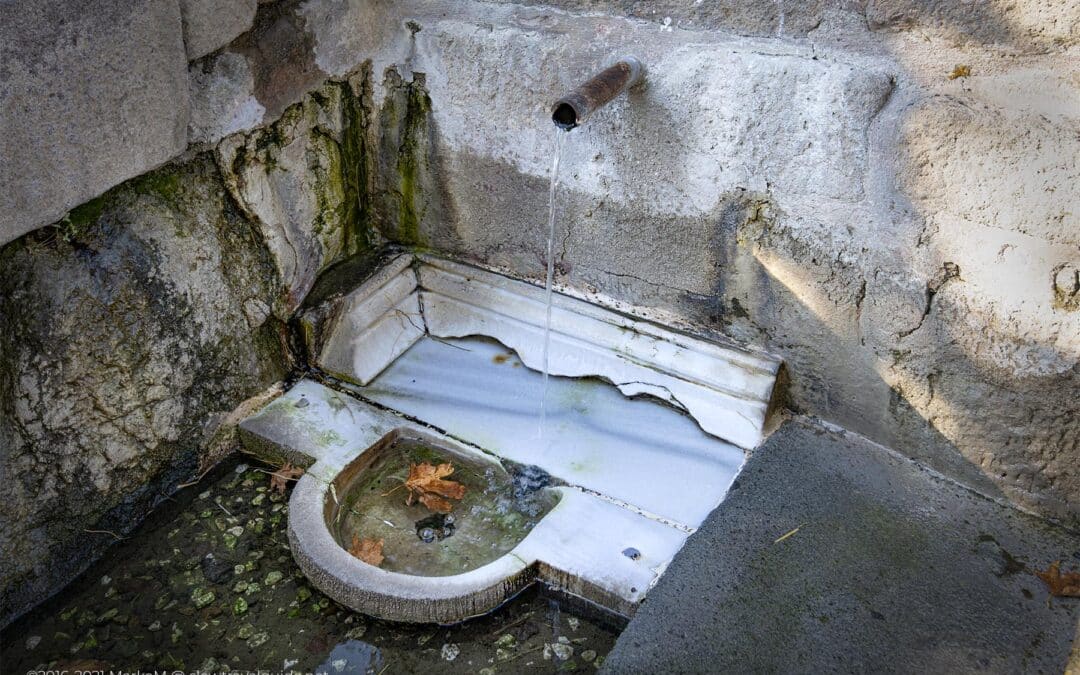
At the courtyard’s centre were sleeping rooms for patients, smaller temples, and sacred pools, of which the remains are still visible today. Even today, you can still experience the sacred source’s benefits as the water flows. After the priest doctors had analysed their dreams, patients would go from their sleeping rooms to the Circular Treatment Building through a vaulted passage or Kryptoporticus.
The treatments there were partly based on the interpretations of their dreams. The 70-meter-long underground passage was more than just a protection against adverse weather conditions; it also provided a mystic and tranquil environment with the sound of the sacred water running down the steps supporting the treatment.

The Vaulted Passage Or Kryptoporticus At The Asklepieion
The Circular Treatment Building in the southeast corner of the sacred area was built to fulfil the demands of an increasing number of patients during the Roman Period. It was a vaulted two-story building, of which only one floor remained. The middle is a circular carrying structure with a diameter of 18 m with a gallery of annular vaults and double naves travelling around it. This is a genuinely fascinating and spectacular structure, and probably the only one of its kind we’ve seen in Turkey!

Circular Treatment Building Seen From Above With The South Portico Behind It
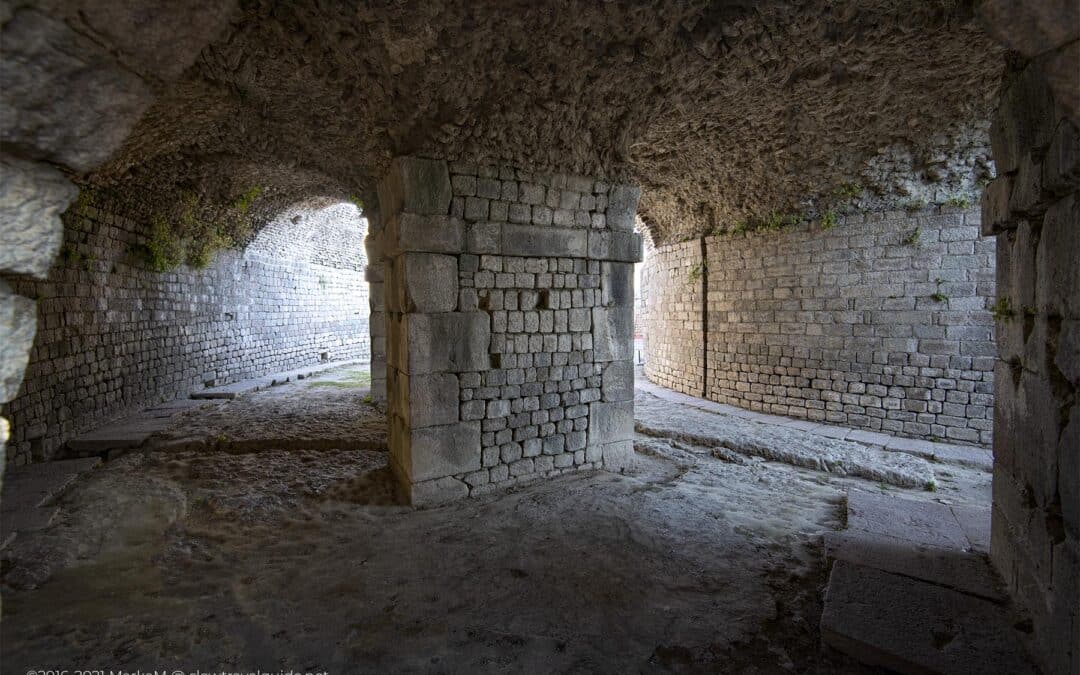
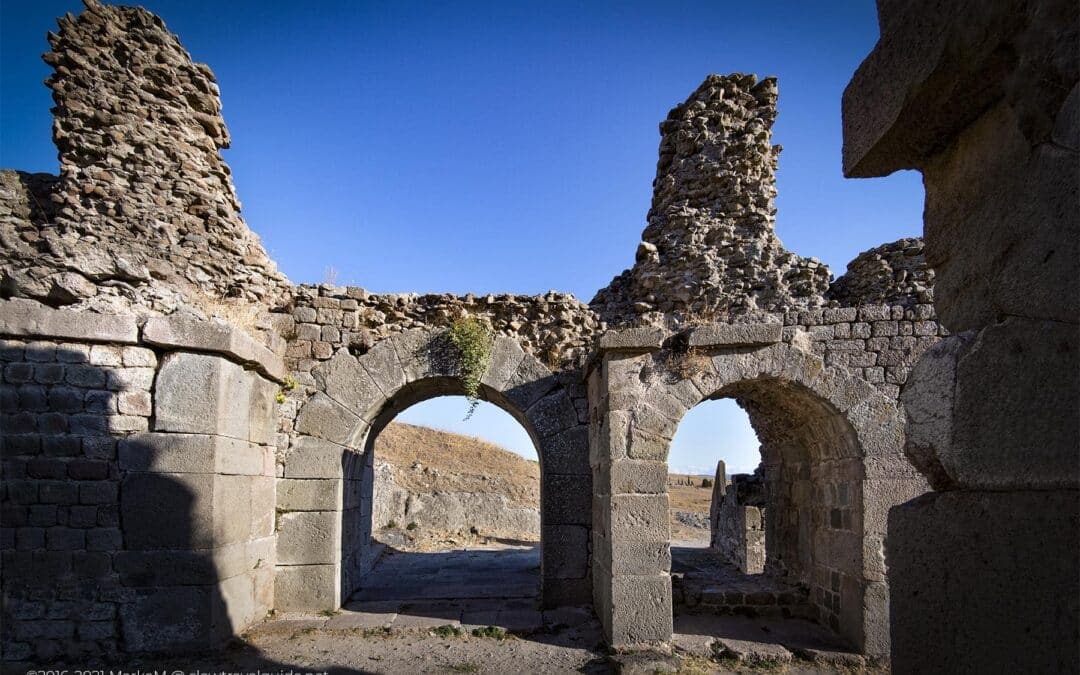
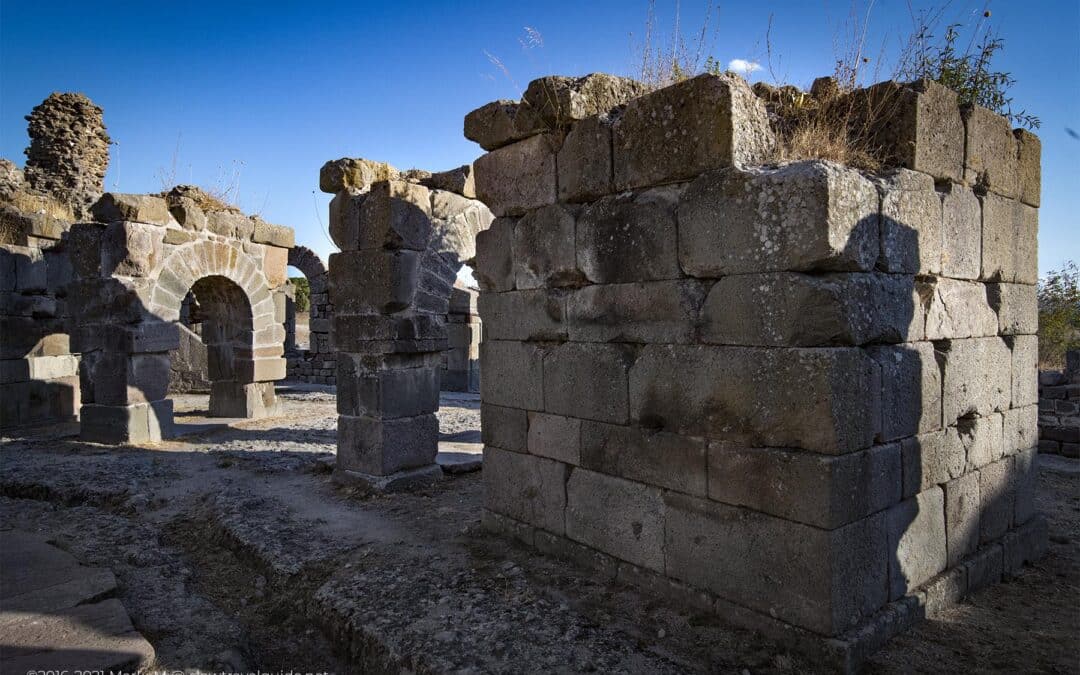

The Circular Treatment Building Is Just Mind Blowing!
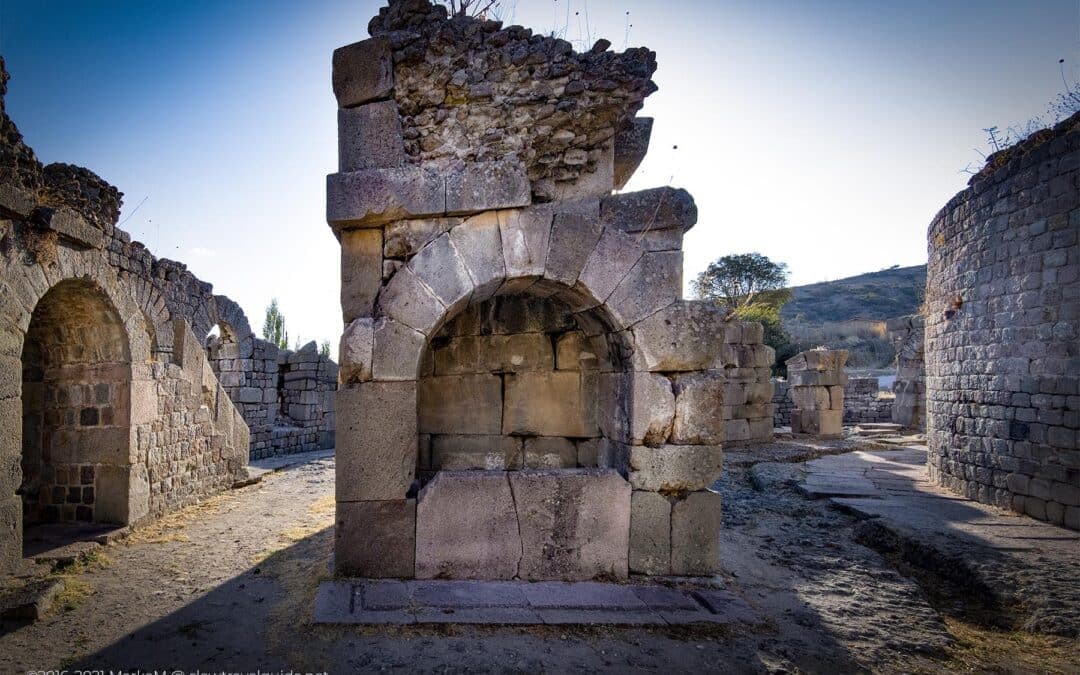
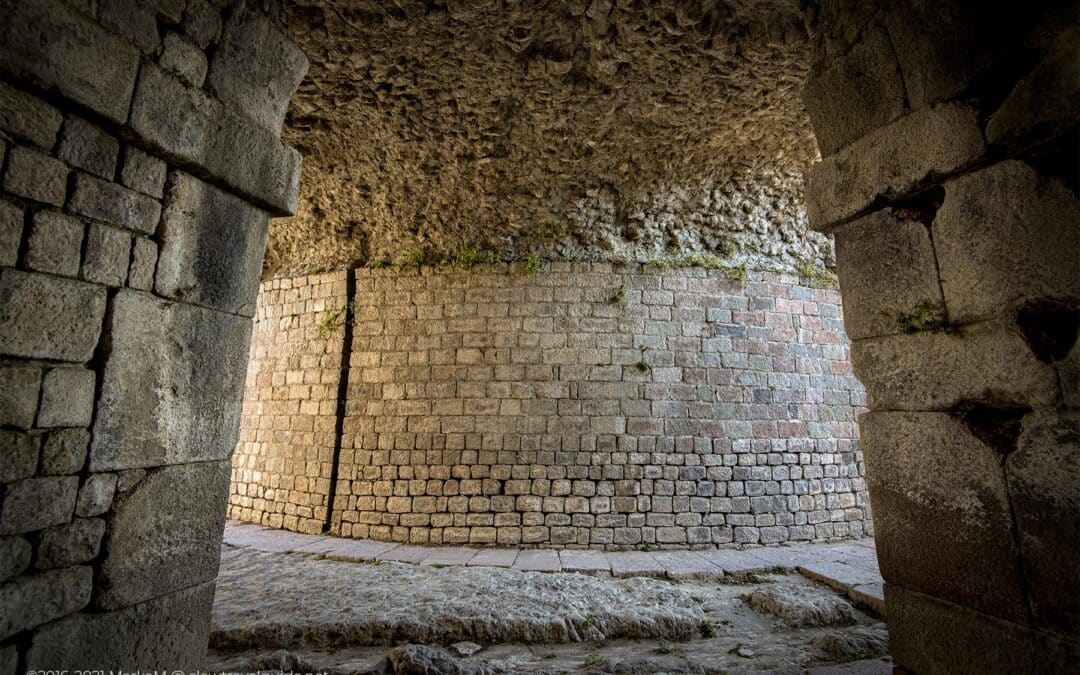
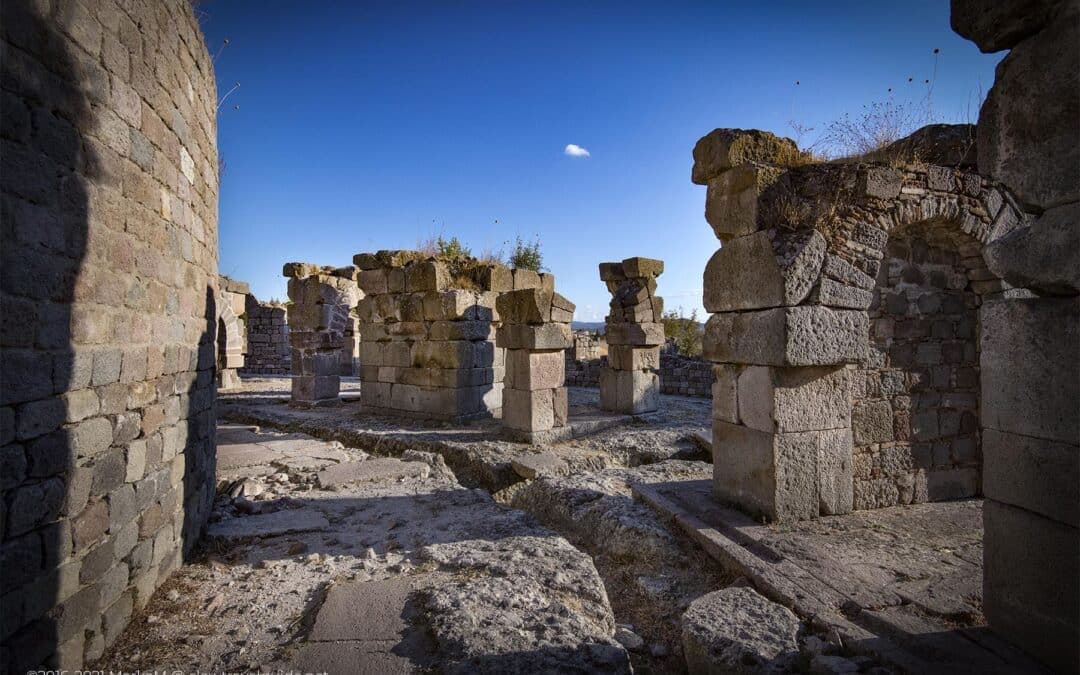

The Complex Structure Of The Circular Treatment Building
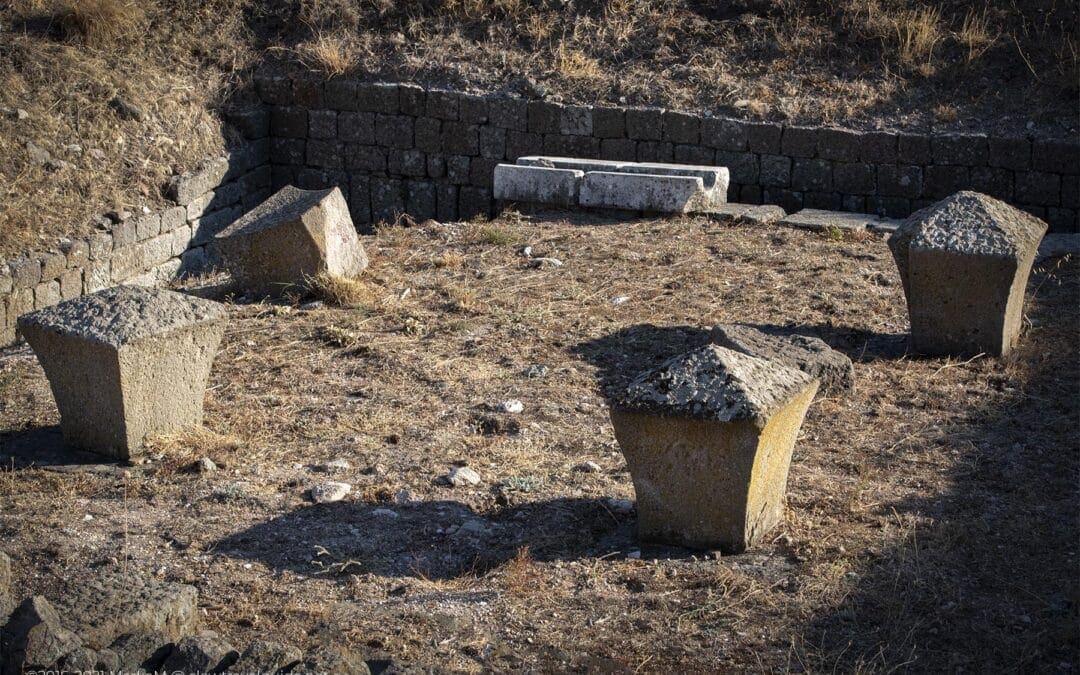
The Zeus Asklepion Temple lies almost right next to the Circular Treatment Building. The building is modelled on the Pantheon in Rome with a circular plan and an inner diameter of 24 m covered by a dome with an oculus to let the light in. Nowadays, only the footprint of the structure remains. A cult niche near the entrance held the statue of Zeus Asklepios, and the altar was probably housed in one of the niches to the side. People entered the Temple through a flight of stairs, accessible from another tunnel, still preserved today.

Temple Of Zeus Asklepion At The Asklepieion
Visiting The Asklepieion: Things You Need To Know
First of all, the Asklepieion is a must-see. You can only visit Pergamon or Bergama if you see these places too. The atmosphere is so tranquil that the serenity is almost tangible. This is a special place that deserves more than a rushed walk-through. Take your time and take in the beauty. And do see the Asklepieion in its context by combining your visit with the other sites.
You’ll need four different tickets if you want to get a complete picture. Click on the links below for current ticket prices and opening times of the locations.
Bergama is easy to reach by car and well-signposted from the E87 highway. Suppose you are relying on public transportation. You have several options, including a regular service from Kınık and Aliağa. Enter Bergama Akropol Asklepion as a destination on this page. Please, allow enough time to visit this area; two days is the minimum.

Unnamed Remains Next To The Zeus Asklepios Temple
PLACES WE RECOMMEND

Efes
Ancient Site
This post will take you to Selçuk Castle, the Basilica of Saint John, Isa Bey Mosque, the Ephesus Museum, the Temple of Artemis, The Cave of the Seven Sleepers, the House of the Virgin Mary, and Şirince. (Coming soon)

Side
Ancient Site
Are you looking for a bit of everything in a holiday resort? Do you like a splash of culture, a bit of old-town charm, and stylish wining and dining options for those romantic seaside dinners? If that sounds like your happy place, check out Side, Turkey! (Read more)

Aphrodisias
Ancient Site
We’d have to pick excellent if you ask us to describe Aphrodisias in Turkey with only one word. Aphrodisias is indeed worthy for a large number of reasons. (Read more)
© 2016-2022 All rights reserved by slowtravelguide.net.
The content of this website is copyright protected and the property of slowtravelguide.net.No part of this website may be reproduced in whole or in part in any manner without the written permission of the copyright owner.
Copyright ©2016-2022 Tüm hakları saklıdır. Bu (slowtravelguide.net.) web sitesinin içeriği koruma altındadır ve slowtravelguide.net.Buradaki hiçbir içerik (yazı,fotoğraf,video vb.) izinsiz olarak kopyalanamaz, alıntı yapılamaz,başka yerde yayınlanamaz.